
The short answer
Cork suits most cafés and casual restaurants: it wipes clean, has no coating to peel, stays matte under lights, and takes a printed logo.
Leather suits formal fine dining if you want stitched edges and can replace covers as they wear. Acrylic suits single-sheet menus where cleaning matters most.
Side by side
| Cork | PU or bonded leather | Wood | Acrylic | |
|---|---|---|---|---|
| Look | Warm, natural grain, matte | Formal, smooth | Rustic, solid | Clear, modern |
| Cleaning | Wipe with a damp cloth | Wipe; seams trap dirt | Wipe; unsealed wood marks with water | Wipe; easiest to sanitise |
| Wear with daily handling | No coating to peel | Edges flake and peel over time | Corners chip; heavier to handle | Scratches show |
| Under restaurant lights | No glare | Some sheen | No glare | Glare and fingerprints |
| Branding | Screen print or laser on selected pieces | Foil stamp or emboss | Laser engrave | Print or engrave |
How to choose
- Casual café or all-day dinerCork. Light, warm, and easy to keep clean.
- Fine dining with a long wine listLeather or a cork ring binder. Pages turn like a book.
- Beach shack, poolside or outdoor seatingCork or acrylic. Avoid unsealed wood near water.
- Venues avoiding animal productsCork. No leather and no coated surface.
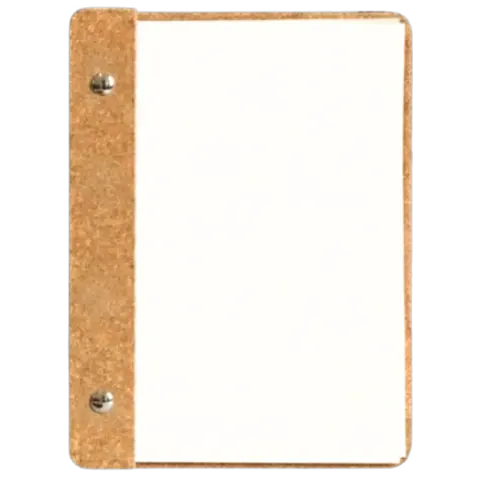 Classic Menu Holder27 x 21 cm · left flap 4 cm₹800/pc at 20+
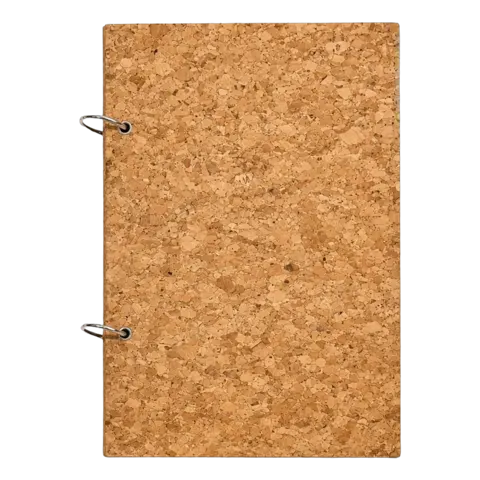 Ring Binder Menu Holder34 x 24 cm₹1,300/pc at 20+
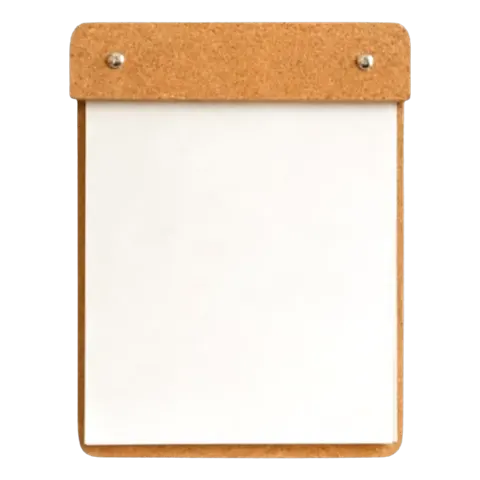 A5 Top Flap Menu Holder23 x 17 cm₹699/pc at 20+
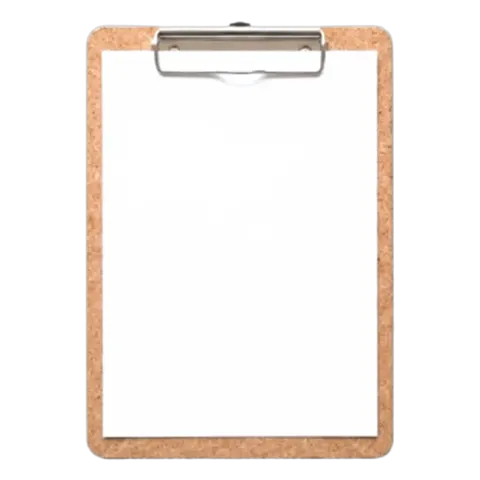 Clipboard Menu Holder34 x 24 cm₹850/pc at 20+
Get an exact price for your tables
Tell us your venue, city and number of tables on WhatsApp. We reply with a per-table quote the same day.
More questions
Do cork menu covers get dirty?
Fingerprints and spills wipe off with a damp cloth and a drop of mild soap. Let them air-dry; do not soak them.
How much does a cork menu cover cost?
₹650 to ₹1,300 each at 20 pieces, plus 5% GST.